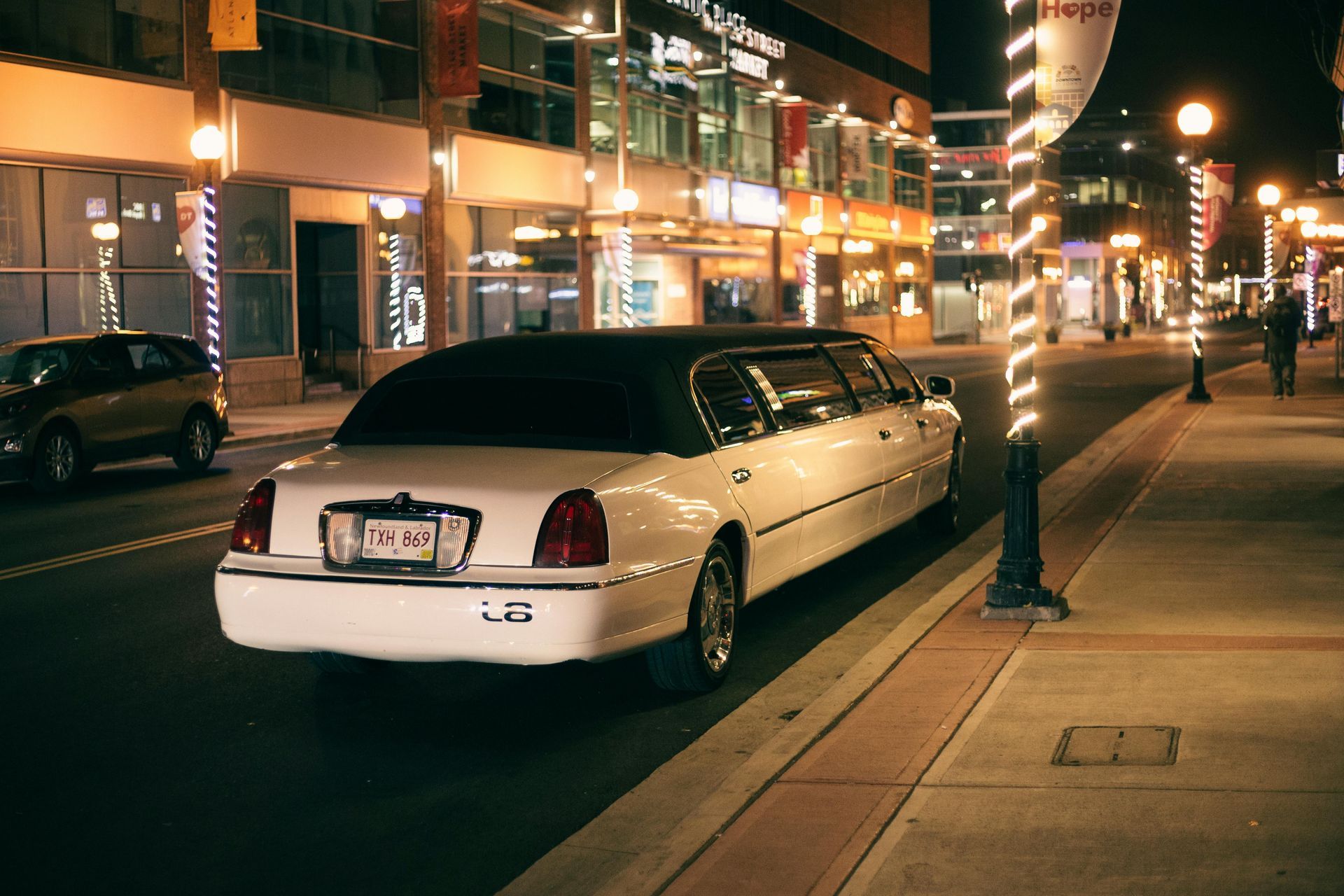
Large weddings and events are shaped by seamless, well-timed moments, with relaxed guests, organized schedules, and an overall sense of intentional flow. Transportation is often one of the least visible elements of an event, yet it has a direct influence on how smoothly everything progresses. Effortless movement of guests between venues maintains a positive, focused atmosphere. Inefficient transportation can lead to stress, confusion, and delays. Proper planning ensures transportation enhances the event instead of causing disruption.
From the earliest arrival to the final departure, transportation touches nearly every phase of a wedding or large event. Coordinating multiple vehicles, timelines, and guest groups requires experience and attention to detail. Premium transportation service improves the experience with focus on comfort, reliability, and structure. When transportation is handled with intention, hosts can focus on meaningful moments instead of logistics. Careful transportation planning creates a smooth, organized, and unforgettable experience.
Evaluating Your Event’s Transportation Needs
Planning transportation effectively requires a clear understanding of the event’s scale. This includes the number of attendees, the sequence of activities, and the movement required between each venue. Weddings and large events frequently involve ceremonies, receptions, photo sessions, and after-event gatherings. Timing for each movement needs careful planning to avoid delays. Early planning helps avoid unexpected issues.
The Good Life Transportation Company approaches this stage by evaluating how transportation fits into the overall structure of the event. Guest flow, priority schedules, and potential bottlenecks are carefully reviewed to avoid disruptions. Thorough review ensures transportation feels seamless and unobtrusive. Anticipating challenges in advance supports a smoother execution. This produces a transportation plan that perfectly fits the event’s timing and flow.
Building a Clear and Reliable Transportation Timeline
A well-defined transportation timeline is essential for maintaining consistency throughout a large event. It should detail pick-up times, travel estimates, buffer periods, and drop-off schedules. Including flexibility within the schedule helps absorb minor delays without affecting the broader itinerary. Precise timing ensures seamless transitions between each part of the event. Guests enjoy the event more when transportation is organized and reliable.
It is important to match the transportation schedule with the event plan for coordination. Working with planners guarantees transportation supports key activities without disruption. Synchronization of schedules minimizes errors and enhances team coordination. A common timeline permits timely adjustments if needed. Dependable timing helps maintain a professional and smooth event flow.
Making Guest Comfort a Priority in Every Transportation Step
Transportation is judged largely by how comfortable guests feel during transitions. Comfortable vehicles, smooth private car service rides, and attentive service allow guests to relax between activities. Comfortable arrivals allow guests to focus on the event and participate more fully. Transportation is part of the overall welcoming and attentive experience. Focusing on comfort demonstrates thoughtfulness and respect for guests.
Organization and clear instructions are as important as comfort in transportation. Well-marked pickup points and structured boarding minimize stress and confusion. When guests know what to expect, their experience is more relaxed and enjoyable. Emphasis on intuitive transitions helps minimize stress. This approach creates a positive impression that supports the overall tone of the event.
Handling Various Groups with Careful Coordination
Large events often involve multiple groups that require different transportation arrangements. Guest categories, including family, wedding parties, and other attendees, may have differing routes or schedules. Managing all these groups takes detailed planning to make sure everyone is accommodated. Each group’s needs must be addressed without disrupting the overall timeline. Dividing groups effectively keeps transportation streamlined and well-managed.
Effective handling of multiple groups demands organized coordination and transparent communication. Coordinated teamwork between chauffeurs and planners guarantees schedule adherence for all groups. Smooth group transitions occur seamlessly for guests without visible complexity. Such organized management creates a unified flow throughout the event. Accurate coordination of groups keeps the event running smoothly without hiccups.
Ensuring Consistent and Dependable Transportation
Reliability is essential when transportation supports a structured event schedule. Weddings and large gatherings depend on punctual arrivals to keep ceremonies, receptions, and activities on track. Smooth execution keeps transportation from disrupting the event experience. Both attendees and hosts appreciate consistent, trustworthy transport. Consistency builds trust and supports the overall success of the event.
Professionalism and advance planning are key to ensuring dependable service. Careful scheduling of drivers and vehicles supports punctual arrivals. Each transfer is managed carefully to preserve the event’s rhythm. Organized planning helps prevent delays and keeps transitions smooth. Reliable scheduling allows the event to run seamlessly.
Making Transportation Part of the Event Experience
Considering transportation as part of the overall event design enhances its effectiveness. The style and flow of transportation can complement the atmosphere of the celebration. Integration with scheduling, décor, and guest flow maximizes the impact of transportation. Intentional planning ensures that arrivals and departures feel purposeful. Seamless integration enhances the event’s professional and polished feel.
Transportation works best when it aligns with the event’s vision and structure. Well-timed arrivals reinforce the event’s narrative and flow. Proper synchronization creates a professional and polished atmosphere. Guests notice when every detail feels connected. Transportation becomes a seamless extension of the celebration.
Managing Final Transitions and Departures
Ending an event smoothly is as significant as starting it well. Organized departures help attendees exit easily and with confidence. Clear departure schedules prevent congestion and confusion at the end of the celebration. A seamless departure leaves a positive final impression on guests. The last transition contributes heavily to the guests’ overall perception.
Even after the main event, transportation demands careful planning. Synchronization of post-event transport ensures guests leave safely and comfortably. Maintaining the same attention to detail at the end emphasizes professionalism. Properly managed departures highlight the planning behind the event. Even at the final stage, transportation plays an essential role.
Transportation Planning as an Essential Event Element
Effective transportation planning plays a key role in the success of weddings and large gatherings. Focusing on timing, guest comfort, dependability, and coordination enhances the event’s organization. Every transport movement contributes to event rhythm and guest experience. Thoughtful transport planning elevates the event experience. This approach allows celebrations to proceed with confidence and clarity.
The Good Life Transportation Company approaches every event with a focus on precision, professionalism, and elevated service standards. Focus is on coordinating transportation, maintaining reliability, and enhancing guest experiences at all times. Transportation is treated as an essential element of the event, not an afterthought. This commitment supports seamless celebrations and well-executed transitions. Thoughtful planning ensures transportation contributes meaningfully from beginning to end.